

Sofa cleaning
How does professional sofa cleaning work?
Inspection, vacuuming, pre-treatment, injection-extraction, drying: what a professional sofa cleaner actually does, without unrealistic promises.
15 July 2026 8 min
Read article Everything Pronett67 shares on sofa cleaning in Strasbourg: fabrics, stains, odours, drying, care and the honest difference between DIY methods and a professional intervention.
The sofa is usually the most heavily used piece of furniture in a home. In just a few years it absorbs sweat, dust, sebum, food splashes and countless small marks that eventually become visible on the seat and armrests. This section of the Pronett67 blog brings together our articles about sofa cleaning in Strasbourg and the wider Eurométropole.
2 articles
Inspection, vacuuming, pre-treatment, injection-extraction, drying: what a professional sofa cleaner actually does, without unrealistic promises.
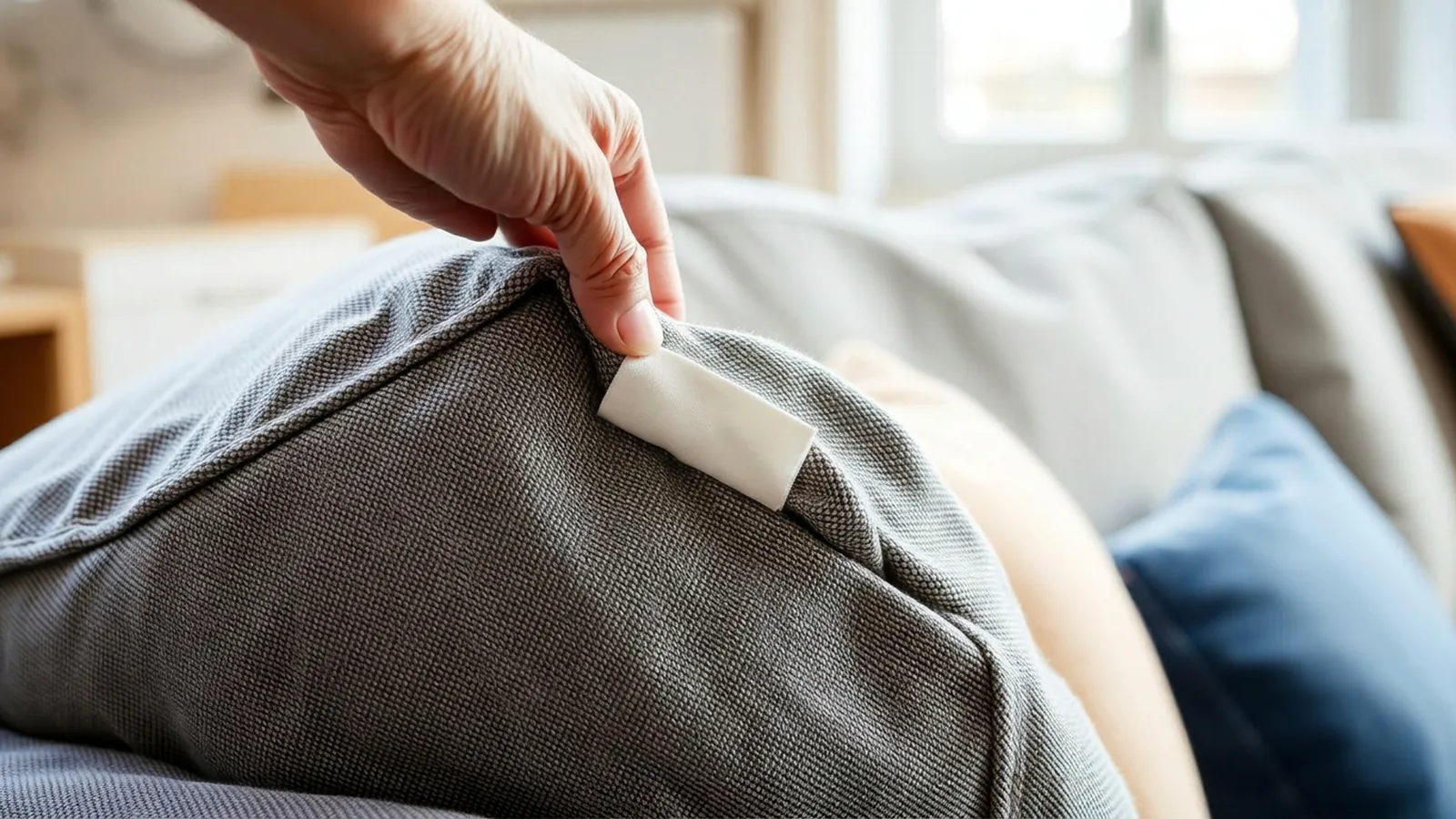
Codes W, S, WS and X appear on many sofa labels, but they don't replace the manufacturer's instructions or a hidden-area test. Here is how to read them safely.
A sofa absorbs everything the daily life sends at it: sweat, skin oils, fine dust, food particles, pet hair, indoor pollution. Most of it is invisible at first. It slowly builds up into a matte layer that fixes odours and makes the next stains much harder to treat. On a light sofa, this shows as a darker seat outline. On a dark sofa, the fabric loses relief and becomes slightly sticky to the touch.
Many of our clients in Strasbourg call after a visible stain — tea, blood, wine, urine — but the real transformation usually comes from lifting the deep, invisible soil layer. That is what a full injection-extraction cleaning reveals.
Not all fibres react the same way to water, heat and detergents. Before every intervention we identify the upholstery type and, when available, its care label.
These are the most common and generally the most forgiving. Injection-extraction with a suitable detergent gives excellent results without marking the fabric, as long as the moisture level is controlled to avoid watermarks.
Microfibre feels resistant but marks easily when drying unevenly. A lighter two-pass approach is often preferable. Everyday household products often leave visible traces on microfibre once dry.
Alcantara requires a gentle method and short contact time. We keep moisture low, work zone by zone and brush in the direction of the fibre. Synthetic leathers are cleaned differently, with specific products.
A full cleaning does not just remove a visible stain. It lifts the deep soil layer, opens up the fibres, neutralises most of the odours and restores the fabric to something close to its original look — within realistic limits.
A worn sofa will remain a worn sofa: cleaning does not erase mechanical wear or sun-faded colour. But the general look, the touch and especially the smell can improve very noticeably.
The most useful rule is short: the faster you act, the better. On a fresh stain, blotting with a white cloth without rubbing usually limits the damage. Biological stains (urine, blood) must be treated with cold water, never hot — which sets them.
Stubborn smells — tobacco, cooking, pets — need in-depth treatment. A spray freshener masks, it does not treat. Extraction cleaning lifts the molecules embedded in foam and cover.
A regular vacuum, a damp microfibre cloth and a mild soap are enough for day-to-day care. For a stained, yellowed or odorous sofa, a professional gets an even result, faster and without watermark risk. In Strasbourg, Pronett67 comes on site with professional equipment adapted to your sofa's fabric.
Send us a photo of your sofa
We reply quickly with a first opinion and a clear estimate — no commitment.
Send a photo of your sofa, mattress or rug for a first opinion and a clear estimate.