
How does professional rug cleaning at home work?
Inspection, fibre identification, vacuuming, pre-treatment, adapted method, controlled extraction and drying: the real stages of a professional rug cleaning at home.
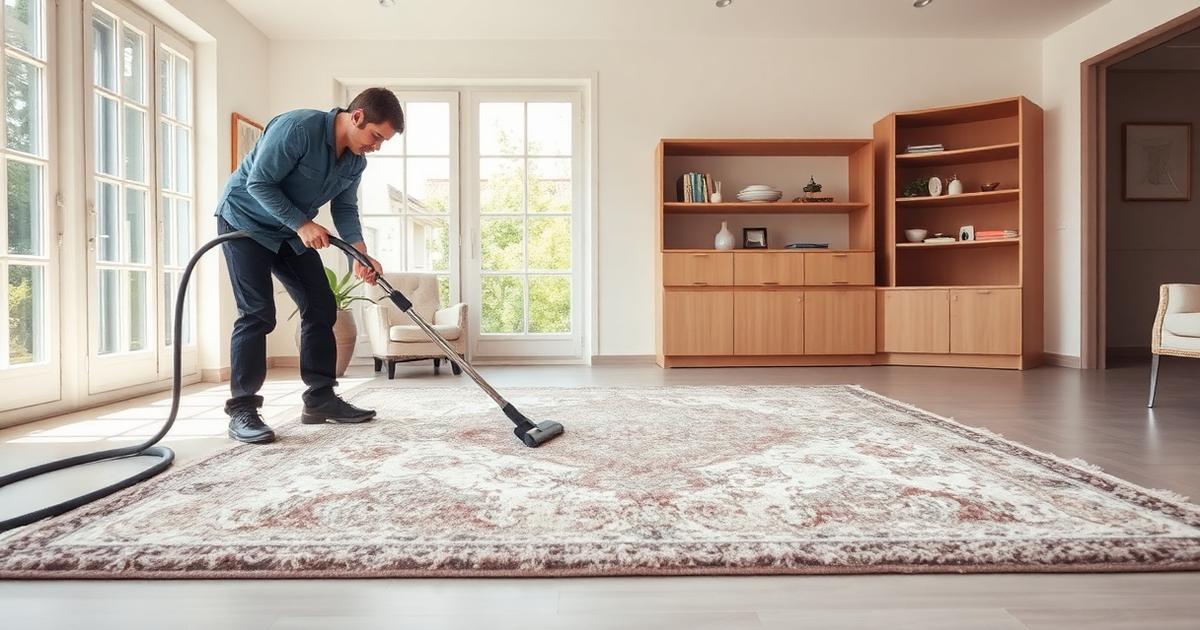
Professional rug cleaning at home starts with inspection: fibres, backing, colours, stains, wear. Then powerful vacuuming, targeted stain pre-treatment, a method adapted to the material (usually low-moisture injection-extraction), a controlled extraction, and edge/fringe care when relevant. Final check and drying instructions: the rug is not soaked, but residual moisture still needs a few hours before use.
Need professional cleaning in Strasbourg?
Send a photo of your sofa, mattress or rug for a first opinion and a clear estimate.
Professional rug cleaning is not an improvised shampoo pass: it is a methodical intervention where each step has a specific purpose. The material, colour, construction and condition of the rug drive the method. A hand-knotted wool rug is not treated like a synthetic living-room rug, and a heavily soiled old rug is not cleaned like a recent one. This article explains how we actually work at Pronett67, on-site, in Strasbourg and Alsace.
The goal is not to "make the rug like new" — that would be dishonest — but to remove deep dust, soften stains when possible, neutralise odours and protect the fibre. Without excess water, without unsuitable products, without unrealistic promises.
In short
A typical professional rug cleaning at home includes: visual inspection, fibre and colour identification, deep vacuuming, targeted stain pre-treatment, an adapted cleaning method, cleaning without soaking, controlled extraction, edge and fringe care when relevant, final check and drying instructions. Not every stain comes out, not every rug is treated the same way, and a cleaning is never a repair.
The steps at a glance
- Rug inspection
- Fibre identification
- Vacuuming both sides where possible
- Targeted pre-treatment
- Adapted cleaning method
- Controlled extraction
- Final check and drying
Inspect the rug before cleaning
Inspection is the first step and it drives everything after it. We look at the general condition: wear, fringes, edges, backing, potential holes, seams, whether the rug is stitched or glued. We locate visible stains, their position, likely age and any odour. We also check colour stability in a discreet area: a colourful rug can bleed if the dyes are not fully fixed.
This inspection lets us honestly announce what is treatable, what will still be visible, and what cannot be promised. A very old rug with faded colours will not recover its original tones. A burn mark, a tear or a torn fringe cannot be repaired by cleaning.
Identify fibres, colours and backing
The fibre type changes everything. Wool, cotton, viscose, silk, jute, polyester, polypropylene, blends: every material has its own sensitivity to water, heat and products. Viscose, for instance, marks very easily when over-wetted. Wool tolerates controlled-moisture cleaning well, but not saturation. Synthetics handle moisture better but remain sensitive to aggressive rubbing.
We also check the backing: hand-knotted, tufted-and-glued or latex-backed rugs cannot be handled the same way. A weakened latex backing may release a yellowish tint when exposed to moisture. This diagnosis — too often skipped — is what prevents nasty surprises.
Vacuum surface and trapped dust
A rug holds enormous amounts of dry dust: sand, hair, pet hair, food particles, textile debris. Before any water or product is used, thorough vacuuming is essential. Powerful vacuum, multiple crossed passes across the whole surface. Without this step, water turns dust into mud and locks part of the soil into the fibre.
When possible, we also vacuum the underside of the rug, which is often heavier in dust than the visible face. This step is regularly rushed by cheaper interventions.
Targeted stain pre-treatment
After vacuuming, we pre-treat the identified stains: coffee, wine, urine, blood, grease, mud, household products, ink, etc. Every stain family calls for a different chemistry. A suitable product is applied locally with a respected dwell time and a gentle blotting motion. We do not scrub aggressively: that damages the fibre and spreads the stain.
Choose a method adapted to the rug
There is no single "best method": it depends on the material, the backing and the condition. In most cases, we use low-moisture injection-extraction, adapted to upholstery textiles at home. A specific product is injected and immediately extracted, with most of the soil and moisture.
On very delicate materials, we favour a gentler approach with even less water and controlled brushing. On heavily soiled or hand-knotted rugs, an in-workshop treatment — outside the scope of this article — can be more suitable; the inspection guides that decision.
Clean without over-wetting
The principle is simple: the rug must not be soaked. Saturating a rug does not clean it better — on the contrary, it extends drying time, increases dye-bleed risk, can weaken a latex backing and favour bad smells. We therefore work in controlled passes, with a measured dose, to remove soil without flooding the fibre.
Should both sides of the rug be cleaned?
It depends. A thin, dry rug can often be flipped; a heavy, stitched or fragile-backed rug is better handled on its usable side only. When possible, a pre-cleaning vacuum on the underside removes a significant part of the deep dust. We adapt case by case.
How are edges and fringes handled?
Edges and fringes are the most fragile zones: they are the first to catch dust, friction and stains. We treat them carefully — gentler cleaning, manual blotting, colour checks — but without promise: fringes yellowed or greyed for years may remain visibly tinted. A rug with damaged fringes cannot be "repaired" by cleaning.
Final check and organised drying
The final check happens under natural light: uniformity, residual stains, colour hold, no product residue. If a zone remains marked, we may offer a second local pass. Then come the drying instructions: do not put heavy furniture back immediately, do not lay moisture-sensitive objects on the rug, ventilate the room and respect a normal use delay.
Drying time depends on rug thickness, room ventilation and season. A few hours is typical, but some materials need longer. We give you these numbers honestly on-site.
How to prepare the room before we arrive
A few simple gestures make the intervention easier and improve the outcome:
- Clear the rug (remove small furniture, toys, fragile objects).
- Give it a quick vacuum if you can.
- Have a nearby power outlet and access to a water point.
- Point out known stains, their origin and their age.
- Mention any recent treatment: household product used, steam attempt, etc.
What results can you reasonably expect?
A rug seriously cleaned is deeply cleaner, often visibly brighter, with fewer odours and many stains softened. What cleaning does not do: repair worn fibres, restore original colour to a faded rug, glue back a torn fringe, erase a burn or a set-in discolouration. It is also not a medical sterilisation: we clearly improve textile hygiene without pretending to a sterile environment.
Professional rug cleaning in Strasbourg and Alsace
Pronett67 works on-site in Strasbourg, the Eurométropole and Alsace for rug cleaning. Before the intervention, you can send us photos on WhatsApp for a first assessment: this steers the method and gives an indicative price range. The exact outcome is still confirmed on-site, after a complete diagnosis.
Old stain or persistent odour?
Send us a photo. We reply quickly with an honest first opinion and a clear estimate.
Conclusion
Professional rug cleaning at home follows a precise method: inspect, identify, vacuum, pre-treat, clean without soaking, extract, check and dry. It is patient work, not a shampoo pass. Done well, it gives the rug clear cleanliness and freshness back without damaging the fibre — and without promising miracles no product can keep.
What Pronett67 can do
Pronett67 — Strasbourg / Alsace. Rug cleaning.
Frequently asked questions
What are the stages of professional rug cleaning?
Is the rug cleaned directly at home?
Can every rug be cleaned using the same method?
Should both sides of the rug be cleaned?
Can all old stains be removed?
How are fringes and edges cleaned?
How long does the intervention take?
When can the rug be used again?
Related services
Related articles
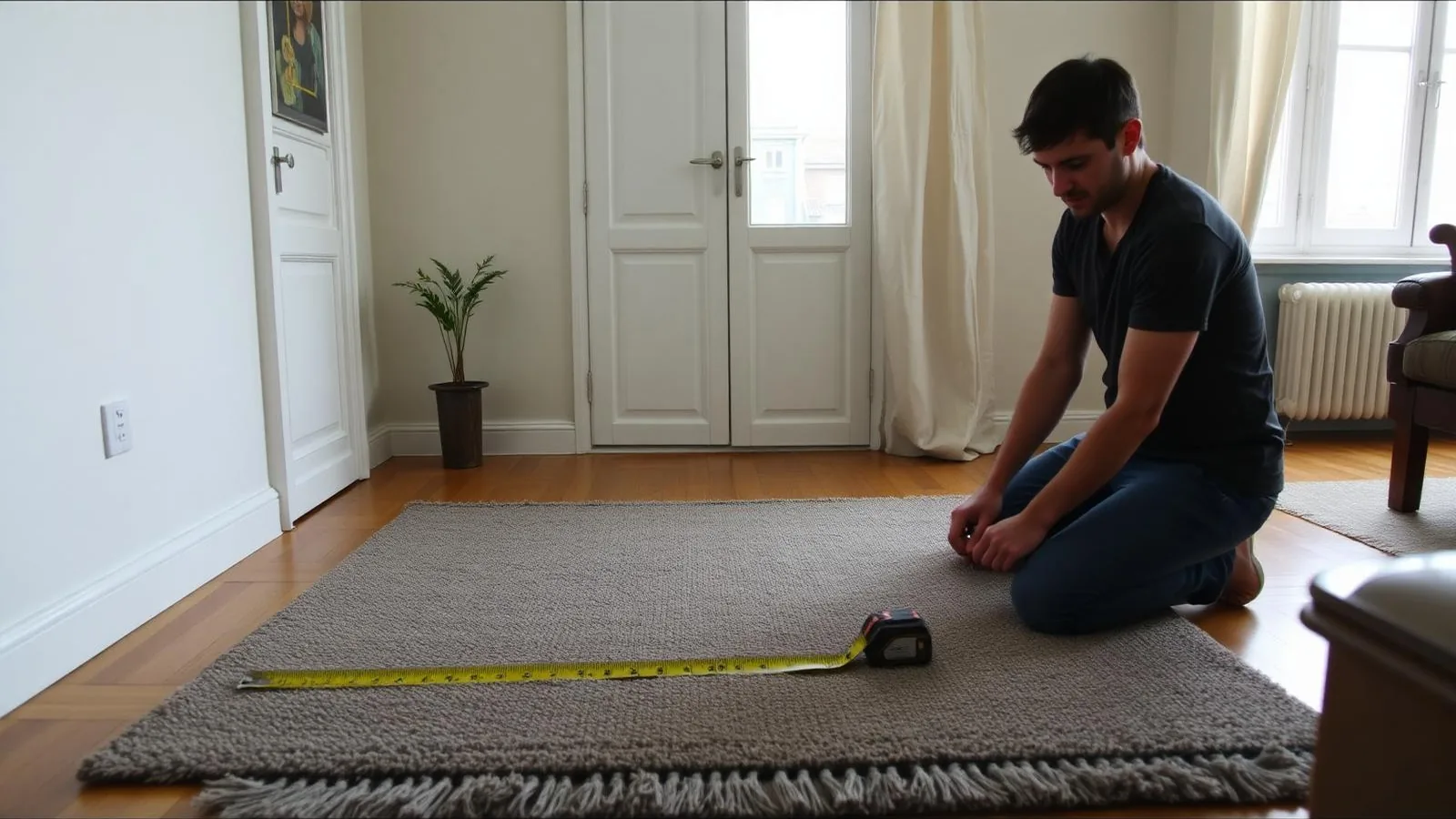
Rug cleaning price in Strasbourg: how to calculate the cost per m²
A rug is almost always priced per m². Here is how to measure, what per-m² rate Pronett67 applies in Strasbourg by material, and what can affect the final quote.
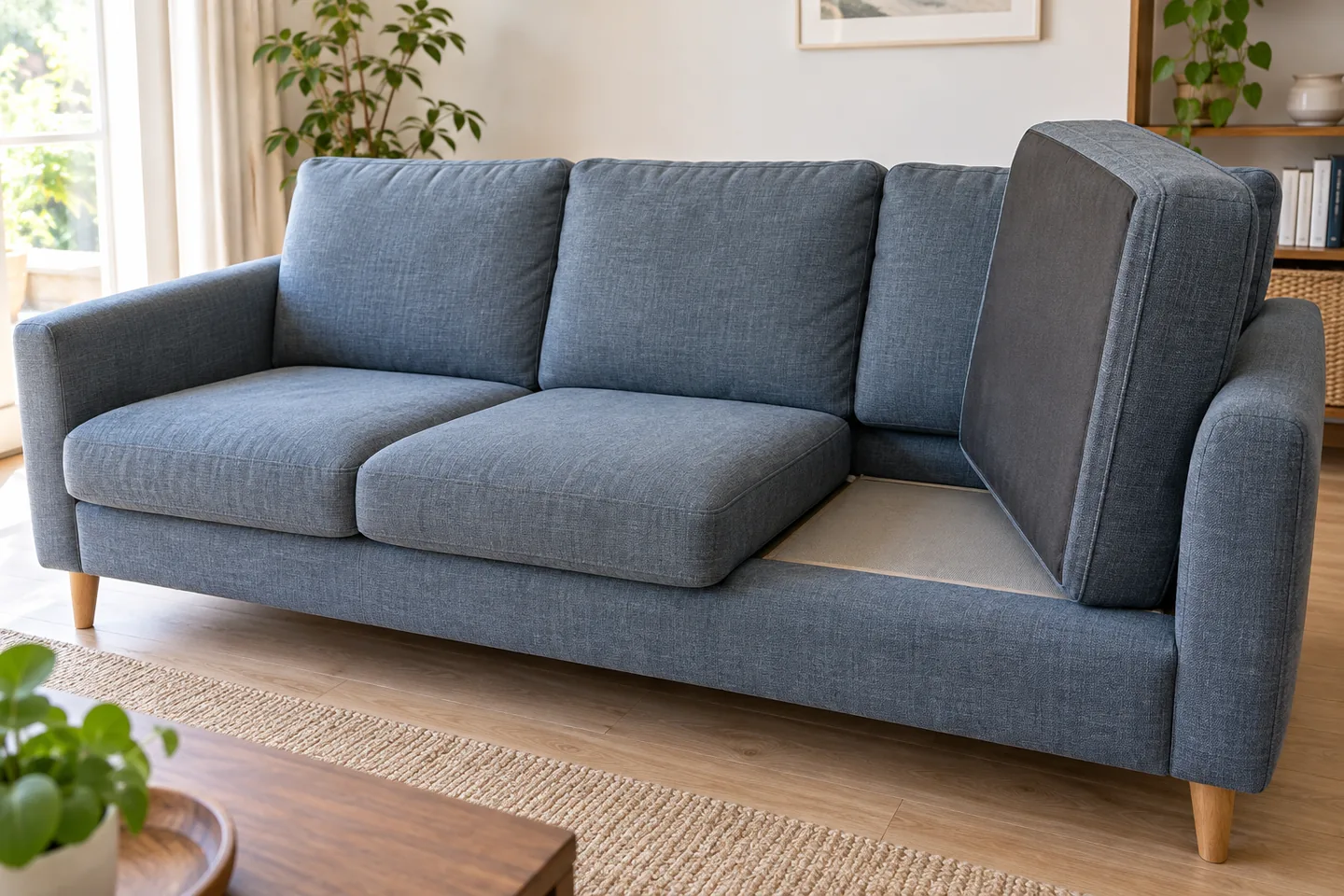
A second-hand sofa: what to check and how to clean it before use
Before collecting a second-hand sofa: what to ask the seller, which areas to inspect and which care instructions you need to plan suitable cleaning.
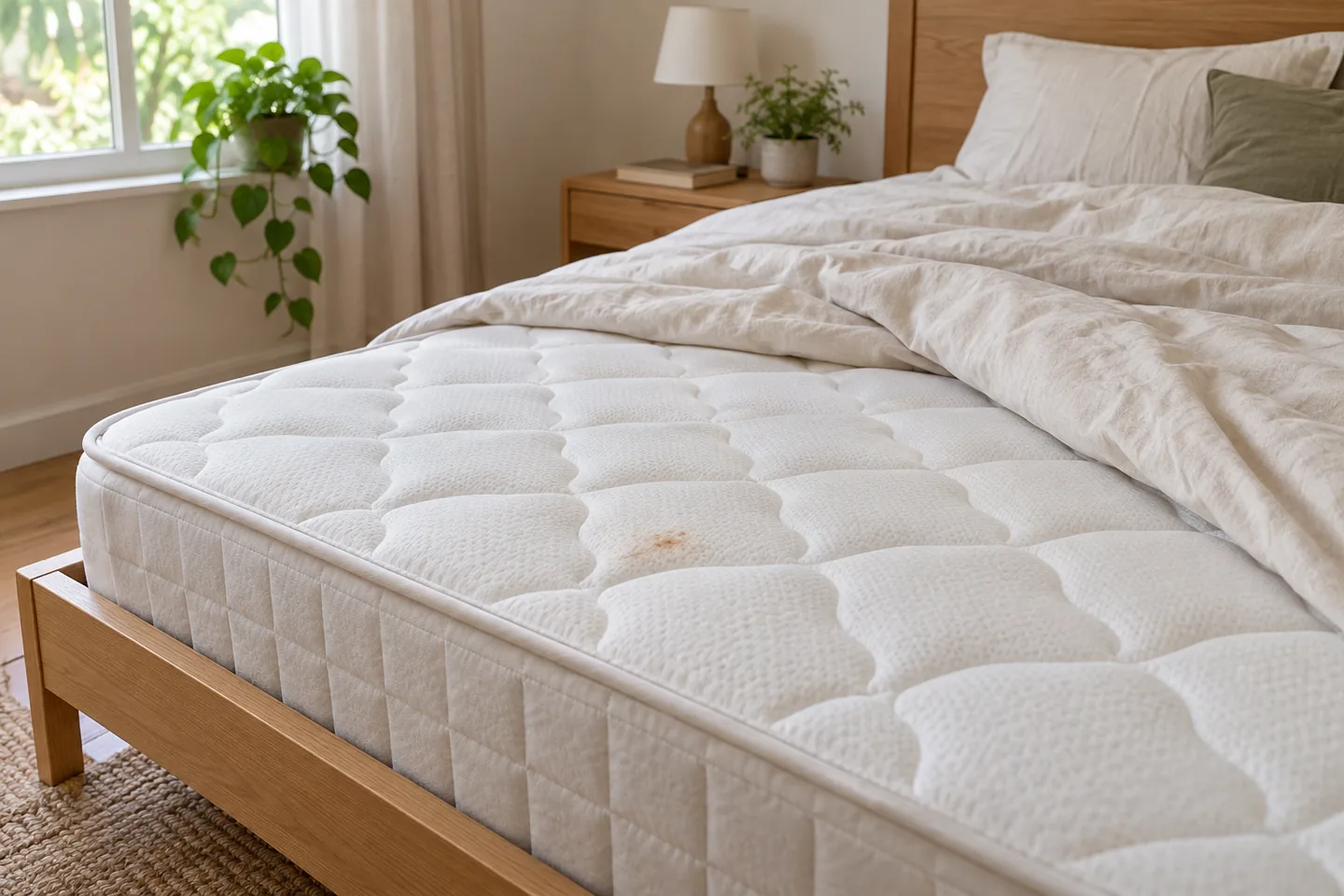
Blood stains on a mattress: what to do for fresh or dried marks
A small stain has just appeared, or an old mark will not shift: how to choose your first steps according to the fabric, the mattress instructions and any treatments already tried.
Need professional cleaning in Strasbourg?
Send a photo of your sofa, mattress or rug for a first opinion and a clear estimate.